Mic Drop Moments: Why Karaoke Culture Is Having Its Biggest American Glow-Up Yet
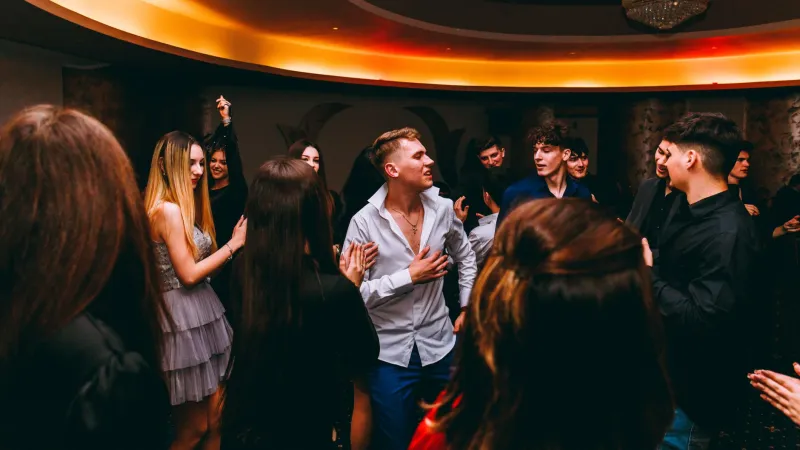
Let's be honest. For a long time, karaoke in America had a bit of an image problem. Dive bar. Sticky mic. Somebody murdering "Don't Stop Believin'" while the crowd stared into their drinks. It was fun in a self-deprecating, please-don't-look-at-me kind of way.
Then something shifted. Private room karaoke — long a staple of Vietnamese, Korean, and Japanese entertainment culture — started showing up in American cities, and suddenly the whole vibe changed. No strangers judging your performance. A room full of your people. Great food, great drinks, and a song catalog that actually reflects your taste. The karaoke experience got a serious upgrade, and Vietnamese entrepreneurs have been leading that charge from the front.
At NhacViet Live, karaoke content is literally part of our DNA. So when we started seeing mainstream American media finally catching onto what Vietnamese communities have known for decades, we had thoughts.
A Different Kind of Night Out
The private room model is the key to understanding why karaoke is clicking with younger American audiences in a new way. The public stage format works for the bold and the uninhibited. But the private room? That's accessible to everyone. You're performing for an audience of people who already like you, which lowers the social stakes dramatically and raises the fun factor exponentially.
This format has been standard in Vietnamese karaoke culture forever. Walk into any Vietnamese karaoke lounge in Garden Grove, Midtown Houston, or Falls Church, Virginia, and you'll find a labyrinth of soundproofed rooms, each with its own screen, tambourines, and a song library that goes deep into both Vietnamese and international catalogs. The atmosphere is festive but intimate. It's a place for celebration, for connection, for letting loose in the best possible way.
Gen Z discovered this experience — sometimes through Vietnamese American friends, sometimes through the explosion of Korean pop culture that normalized private room karaoke — and they haven't looked back.
"My non-Vietnamese friends ask me to take them to karaoke all the time now," laughed one regular NhacViet Live user we chatted with in Los Angeles. "They thought it was going to be weird and now they're obsessed. They request it for birthdays, for bachelorette parties, for random Tuesdays."
The Entrepreneurs Bringing the Experience to Life
Behind this cultural moment is a wave of Vietnamese American business owners who recognized an opportunity and ran with it. From sleek, Instagram-friendly spots in downtown Nashville to sprawling multi-room venues in the San Gabriel Valley, these entrepreneurs are creating spaces that honor the tradition while speaking directly to contemporary tastes.
The design language has evolved considerably. Modern Vietnamese karaoke venues in the US often feature thoughtful interior design, curated cocktail menus, and tech-forward song selection systems — touchscreen tablets, app-based queuing, Bluetooth speaker integration. The experience is polished without losing the warmth and communal energy that makes Vietnamese karaoke culture so distinctive.
One venue owner in Atlanta described her approach this way: "I wanted a place where my Vietnamese American friends could feel completely at home — where the song catalog goes deep on classic Viet ballads and the food is actually good — but where my American friends would also immediately get it. That crossover point is where the magic is."
She's onto something. Venues that nail that crossover are the ones generating waitlists on weekend nights and showing up on every local "best of" list.
The Songs Taking Over the Playlist
So what's actually playing in these rooms? The answer is more diverse than you might expect.
On the Vietnamese side of the catalog, a few categories dominate. Classic bolero and nhạc vàng tracks — the kind your parents and grandparents grew up with — have an enduring presence, especially when mixed-generation groups are singing together. There's something genuinely moving about watching a 25-year-old learn a song their grandmother loves, right there in the karaoke room.
Contemporary Vietnamese pop is surging, with artists like Sơn Tùng M-TP, Hoàng Thùy Linh, and MONO generating consistent karaoke demand among younger Vietnamese American users. These tracks bridge the gap between the Vietnamese music scene and the production sensibilities that American-raised listeners gravitate toward.
And then there's the bilingual and Viet-pop-adjacent content — tracks that mix English and Vietnamese in ways that feel natural to diaspora listeners. These songs are particularly popular on NhacViet Live's karaoke platform, where users can toggle between lyric languages and share their performances with friends.
On the American pop side? Anything with a big chorus wins. Doja Cat, SZA, Taylor Swift, and classic 2000s throwbacks are perennial favorites. The Vietnamese karaoke catalog advantage is that you get all of that plus a deep, curated selection of Vietnamese music that most mainstream karaoke platforms completely ignore.
Why This Moment Matters Culturally
Karaoke in Vietnamese culture has never just been about singing. It's about gathering. It's about the table of food that arrives alongside the songs. It's about the uncle who thinks he's a professional singer and the cousin who's actually pretty great. It's about marking occasions — birthdays, graduations, farewells, reunions — with shared music and shared presence.
As this culture spreads into mainstream American social life, it carries those values with it. In an era when screens have made social interaction more passive and more isolated, karaoke demands active participation. You have to show up, literally and figuratively. You have to be willing to be a little ridiculous. You have to sing.
That's a radical act in the best possible way, and Vietnamese karaoke culture has been practicing it for generations.
NhacViet Live is proud to be part of making that experience accessible to Vietnamese Americans and curious newcomers alike — with a streaming and karaoke library built to reflect the full, beautiful range of what Vietnamese music actually sounds like. The mic is open. Come sing something.