Beat Architects: The Vietnamese Producers Quietly Shaping the Songs You Can't Stop Streaming
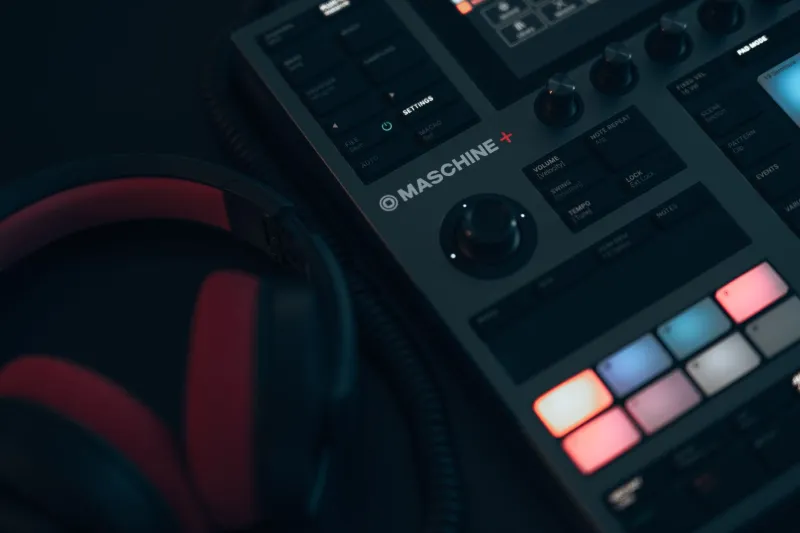
Scroll through TikTok for about ten minutes and you'll notice something: certain sounds just stick. A melodic hook that loops perfectly. A bass drop that feels both familiar and completely fresh. A rhythm that somehow bridges the gap between a Saigon nightclub and a Brooklyn house party. What you might not realize is that a growing number of those sounds trace back to Vietnamese producers — artists who are building careers beat by beat, often without the mainstream spotlight their work deserves.
At NhacViet Live, we're all about shining a light on the full spectrum of Vietnamese music culture — not just the performers out front, but the creative minds working behind the glass. So let's talk about the producers.
The Studio Is the Stage
For a lot of music fans, production is the invisible layer — the thing you feel without consciously registering. But ask any serious listener and they'll tell you: the producer is the song. They set the tempo, the mood, the sonic identity. They decide whether a track feels like sunrise or 2 a.m.
Vietnamese producers have been quietly mastering this craft for years, and their influence is now rippling outward in ways that are hard to ignore. The V-pop scene — Vietnam's homegrown pop ecosystem — has evolved into a surprisingly sophisticated production environment. Artists like Sơn Tùng M-TP have international-caliber sound largely because the producers around them have been studying, experimenting, and leveling up constantly.
But it's not just about V-pop anymore. The diaspora is a huge part of this story.
From Little Saigon to Logic Pro
Across Vietnamese-American communities — from Orange County to Houston to the DMV area — a generation of producers grew up with one foot in Vietnamese musical tradition and another in American hip-hop, R&B, and electronic music. That cultural double vision? It turns out to be an enormous creative advantage.
Producers in this space often describe a process that pulls from both worlds instinctively. Traditional Vietnamese scales and melodic sensibilities get layered over trap hi-hats or lo-fi drum patterns. A sample from a classic cải lương performance might get chopped and flipped into something that sounds completely at home on a SoundCloud rap track. The hybridity isn't forced — it's just how these artists hear music.
And TikTok has become the proving ground. Short-form video has completely changed how a beat gets discovered. A 15-second clip can turn an unknown producer's instrumental into a global trend overnight, and Vietnamese producers have been nimble enough to meet that moment. They understand the platform intuitively — the importance of that opening hook, the way a sound needs to hit differently in a vertical video format versus a traditional album cut.
The Sound of Going Viral
So what does Vietnamese-influenced production actually sound like in a viral context? There are a few recurring elements that producers in this space tend to gravitate toward.
First, there's an emphasis on melodic density — packing a lot of harmonic movement into a short timeframe. Vietnamese music has always valued ornamentation and tonal expressiveness, and that sensibility translates into productions that feel emotionally rich even at short durations. Perfect for TikTok.
Second, many of these producers lean into contrast and tension — building tracks that shift dramatically between soft, intimate passages and explosive drops. It's a dynamic approach that keeps listeners engaged and creates those shareable "moment" clips that drive virality.
Third, there's a growing use of traditional instrumentation as texture. The đàn tranh (a 16-string zither), the sáo trúc (bamboo flute), or even stylized vocal samples reminiscent of quan họ folk singing get woven into otherwise contemporary productions. The result is something that sounds both globally familiar and distinctly, unmistakably Vietnamese.
The YouTube and Streaming Pipeline
Beyond TikTok, Vietnamese producers are building serious streaming presences. YouTube remains massive in the Vietnamese music ecosystem — both in Vietnam itself and among diaspora audiences in the US. A well-produced music video can rack up tens of millions of views and establish a producer's name recognition in ways that streaming royalties alone can't.
On Spotify and Apple Music, Vietnamese-language tracks have been steadily climbing in playlist placements, particularly in editorial playlists targeting Southeast Asian diaspora communities. Producers who understand how to optimize for these platforms — not just creatively, but technically, in terms of mastering standards and metadata — are finding real traction.
Some producers are also working across language lines entirely, producing for English-language artists who want that particular sonic flavor without necessarily centering Vietnamese culture explicitly. It's a quieter form of influence, but it's real.
Creative Process: Late Nights and Layered Sounds
Talk to any Vietnamese producer about their workflow and a few themes come up consistently. Many describe a process that starts with feeling rather than formula — sitting with a mood, a memory, or an emotion before touching the keyboard or the mouse. There's something in the Vietnamese musical tradition that values emotional authenticity deeply, and that carries over into how these producers approach their craft.
Collaboration is also central. The Vietnamese music community — both in Vietnam and in the US — tends to operate through dense networks of mutual support. Producers share samples, co-write, remix each other's work, and build collective momentum. It's less competitive and more communal than the stereotype of the lone genius in a dark studio.
And then there's the grind. Home studios, self-taught skills, YouTube tutorials, Discord communities — these producers have largely built their technical knowledge outside of formal institutions. That DIY ethos keeps their sound hungry and experimental in ways that more traditional industry paths sometimes don't allow.
Why This Matters for American Music Culture
Here's the bigger picture: American popular music has always evolved by absorbing influences from communities that don't always get credited for their contributions. The Vietnamese production scene is at an inflection point right now — visible enough to be influencing trends, but still underrecognized in mainstream music press.
For Vietnamese-American listeners especially, hearing these sounds in mainstream spaces is meaningful. It's a form of cultural affirmation — a signal that the music you grew up with, the tonal language you know in your bones, belongs in the conversation.
And for everyone else? It's just really good music. The beats are hitting. The sounds are fresh. And the architects behind them are only getting started.
At NhacViet Live, we'll keep bringing you the stories behind the songs — because great music is always about more than what you hear. It's about who made it, and why. Stay tuned.