Old Songs, New Ears: Why Vintage Vietnamese Music Is Taking Over American Streaming Charts
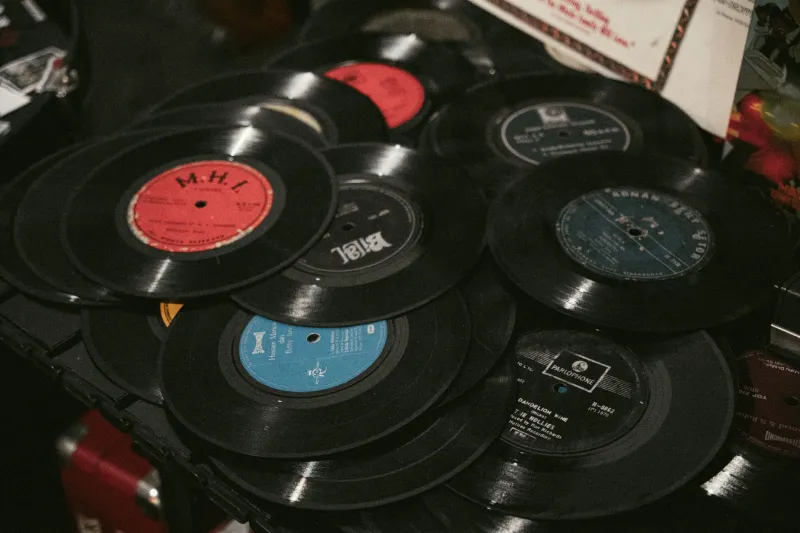
Somewhere in a college dorm in San Jose, a twenty-year-old Vietnamese American woman is crying to a song her grandmother used to hum in the kitchen. She didn't find it at a family gathering or on some dusty cassette tape — she found it on TikTok, looped under a soft-lit video of someone's childhood photos. The song? A slow, aching ballad recorded in Saigon sometime around 1968.
This is happening more than you might think.
Across American streaming platforms — Spotify especially — Vietnamese classics from the 1960s, 70s, and 80s are quietly pulling numbers that would make even some contemporary artists jealous. We're talking songs originally pressed onto vinyl in a country that no longer exists in the same form, now living in curated playlists with titles like "late night feels" and "music that makes you miss somewhere you've never been."
So what exactly is going on here?
The Data Doesn't Lie
Playlist curators and music data analysts who track diaspora listening habits have noticed something striking over the past two to three years: streams for pre-1975 Vietnamese music — often categorized under "nhạc vàng" (golden music) or "nhạc tiền chiến" (pre-war music) — have climbed steadily, with noticeable spikes tied directly to viral TikTok moments.
Andy Nguyen, a Vietnamese American playlist curator based in Orange County who runs several popular Spotify playlists focused on Vietnamese music, says the shift has been unmistakable. "Two years ago, my playlists were mostly getting plays from people in their 40s and 50s," he told us. "Now I'm seeing followers who are clearly college-aged, and they're discovering artists like Khánh Ly, Lệ Thu, and Duy Khánh for the first time — and they're obsessed."
Khánh Ly, often called the "queen of Vietnamese folk and protest music," recorded some of her most celebrated work with composer Trịnh Công Sơn in the late 1960s. Her voice — raw, unhurried, deeply emotional — has found a second life among listeners who weren't alive when the original recordings were made. Her Spotify monthly listener count has reportedly grown by a significant margin over the past couple of years, driven largely by algorithmic placement and user-generated playlists.
TikTok as a Time Machine
If Spotify is where the streams are happening, TikTok is where the discovery is taking place. Short clips pairing vintage Vietnamese songs with aesthetic visuals — old family photographs, Super 8-style footage, slow pans over bowls of phở — have become a recognizable genre of their own on the platform.
These videos tap into something powerful: a kind of inherited nostalgia, a longing for a place and time that younger Vietnamese Americans never personally experienced but feel emotionally connected to through family stories, food, language fragments, and now music.
"My parents always had this music on," says Michelle Trần, a 22-year-old content creator in Houston who has posted several TikToks featuring nhạc vàng. "But I never really listened to it until I started making videos. When you slow down and actually hear the lyrics — or even just the feeling of the music — it hits different. It feels like it's about something real."
Her videos regularly pull tens of thousands of views, and the comment sections are filled with people tagging siblings, parents, and grandparents. The music becomes a bridge — sometimes literally the first conversation opener between generations who don't always know how to talk to each other.
What Is Nhạc Vàng, Anyway?
For anyone unfamiliar, nhạc vàng is a broad term for a style of Vietnamese popular music that flourished primarily in South Vietnam before 1975. It blends traditional Vietnamese musical sensibilities with influences from French chanson, American pop, and Latin rhythms. The lyrics tend to deal with themes of love, longing, war, and loss — heavy subject matter delivered with a kind of graceful restraint that feels almost cinematic.
After 1975, much of this music was officially suppressed in Vietnam, which paradoxically helped preserve it among diaspora communities in the US, France, and Australia. Vietnamese Americans kept it alive through cassette tapes, community events, and eventually YouTube uploads — long before any algorithm decided it was worth promoting.
That DIY preservation effort is now paying off in ways nobody quite predicted.
The Curators Making It Happen
Behind every viral moment, there's usually someone who did the unglamorous work of digitizing, tagging, and uploading. A loose network of Vietnamese American music enthusiasts — many of them operating with zero institutional support — have spent years building out the streaming infrastructure that makes these discoveries possible.
Long Phạm, a retired engineer in the San Gabriel Valley, has uploaded hundreds of rare recordings to YouTube over the past decade, painstakingly sourced from his personal collection of vinyl records and reel-to-reel tapes. "I do it because I don't want this music to disappear," he says simply. "My children don't speak much Vietnamese, but they know these songs. That means something."
Platforms like NhacViet Live have played a role too, spotlighting older artists and catalog recordings alongside contemporary Vietnamese American acts — treating the full spectrum of Vietnamese musical history as a living, breathing thing rather than a museum piece.
Identity in the Replay Button
There's something worth sitting with here beyond the streaming numbers and the viral clips. The fact that Gen Z Vietnamese Americans are actively seeking out this music — not because their parents forced it on them, but because they found it themselves and chose to press play — says something meaningful about where cultural identity is heading.
For a generation that grew up navigating hyphenated identities, the music offers something rare: a sense of continuity that doesn't require fluent Vietnamese or a trip to the homeland. It's accessible, emotional, and — crucially — cool in a way that didn't always feel available before.
"There used to be this thing where being into Vietnamese stuff felt uncool, like something you had to hide," says Michelle. "Now it's the opposite. People are proud of it. They want to share it."
That pride is showing up in the data, in the comment sections, and in the playlists with hundreds of thousands of followers built around music that's older than most of its newest fans.
The Songs You Need to Hear
If you're new to this world, a few tracks keep coming up in conversations with curators and fans alike. Khánh Ly's rendition of "Diễm Xưa" is probably the most cited entry point — haunting, slow, and immediately arresting even if you don't understand a word of Vietnamese. Lệ Thu's interpretations of classic boleros are another favorite. And for something with a little more energy, the pre-1975 recordings of Hùng Cường and Mai Lệ Huyền offer a window into a different, more playful side of the era.
These aren't obscure picks anymore. They're showing up in mainstream "chill" and "study" playlists alongside lo-fi beats and indie folk. The algorithm has noticed what the people already knew.
The Bigger Picture
What's unfolding on Spotify and TikTok right now isn't just a nostalgia trend — it's a form of cultural reclamation happening in real time. Younger Vietnamese Americans are reaching back across decades to claim something that was almost lost, and they're doing it through the same digital tools that usually push everything toward the new and the now.
The comeback of vintage Vietnamese music in the American streaming landscape is a reminder that the most powerful playlists aren't always the ones built by algorithms. Sometimes they're built by grandmothers humming in kitchens, and by grandchildren who finally stopped to listen.